 y
y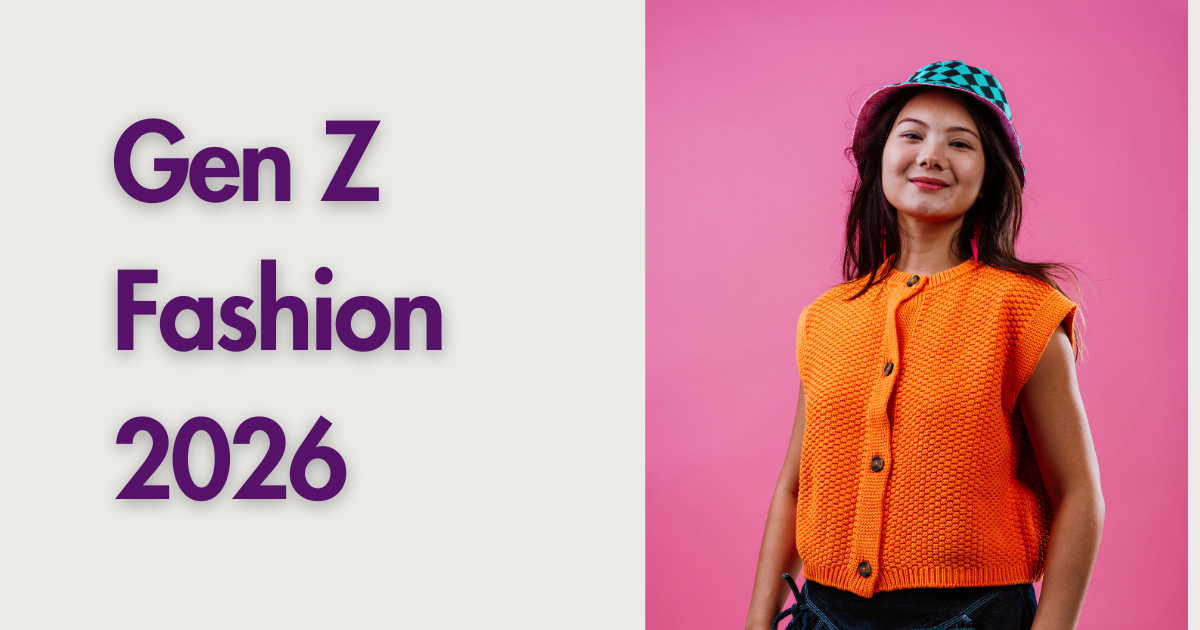
In 2026, Gen Z is embracing maximalism over quiet luxury, slouchy silhouettes, vintage sportswear, and thrifted "uniform dressing." They're mixing aesthetics fluidly—Y2K one day, Dark Academia the next—rather than committing to one look.
- Hot: Maximalism, vintage, thrifting
- Out: Quiet luxury, fast fashion
- Philosophy: Fluid self-expression
Gen Z doesn't dress to look rich—they dress to look more. The era of quiet luxury is fading into the background in 2026, replaced by bold, visual energy from a generation that refuses to blend in.
Understanding Gen Z fashion isn't just about knowing what's trending—it's about understanding a fundamentally different relationship with clothes, identity, and consumption.
What Gen Z Is Actually Wearing in 2026
Fashion for Gen Z in 2026 is "less about rigid labels or one defining aesthetic and more about fluid self-expression, mixing personal references depending on mood, context, or community."
Maximalism
Bold patterns, layered accessories, more-is-more energy replacing minimalist "clean" aesthetics
Slouchy Silhouettes
Oversized everything—from boots to blouses. Structure is out, slink is in
Vintage Sportswear
Thrifted jerseys, retro Lululemon, upcycled athletic wear
Y2K Revival
Early 2000s aesthetics reborn—low-rise, butterfly clips, bedazzled everything
The Shift From Millennials
Where millennials favored cinched waists and tailored lines, Gen Z is initiating a changing of the guard. The silhouette is looser, the attitude more irreverent, and the approach to trends more playful.
| Millennial Preference | Gen Z Preference |
|---|---|
| Quiet luxury | Maximalism |
| Tailored, structured | Slouchy, oversized |
| Capsule wardrobes | Aesthetic variety |
| Clean girl aesthetic | Handmade, artisan touches |
| Brand loyalty | Thrifting, mixing high/low |
Uniform dressing is back: In 2026, "consistency becomes the new flex." Amid decision fatigue and digital noise, Gen Z is turning to dependable neutral staples as a way to express taste through repetition rather than constant reinvention.
Popular Gen Z Aesthetics
Beyond mainstream fashion, Gen Z is diving deep into aesthetic communities that celebrate creativity, storytelling, and individuality. These aren't trends—they're identities.
The Major "Cores"
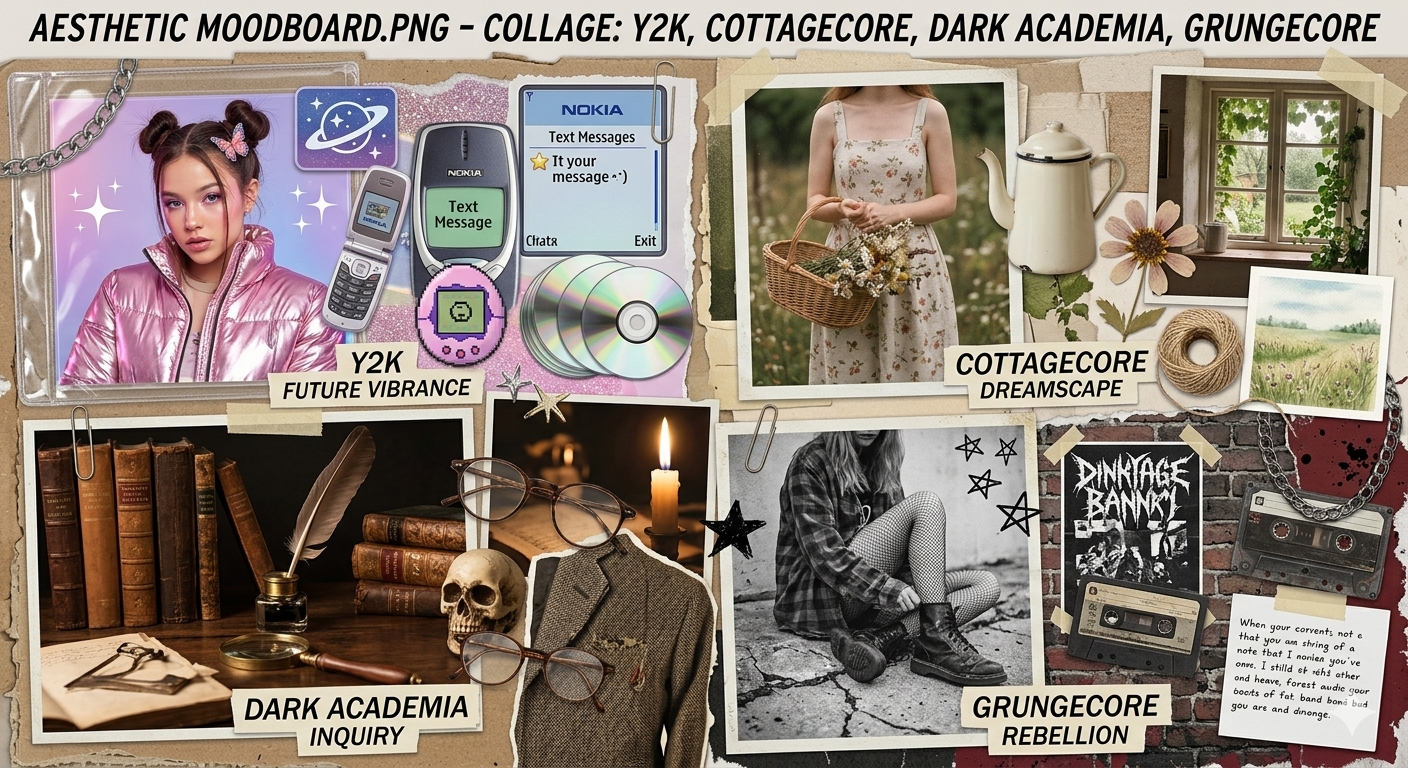
- Y2K / McBling: Early 2000s nostalgia—rhinestones, low-rise, butterfly clips, Juicy Couture energy. TikTok's #Y2KGenZ hashtag hit 2.3 billion views in 2026.
- Dark Academia: Scholarly aesthetics—tweed, turtlenecks, leather satchels, vintage bookshop vibes.
- Cottagecore: Rural romanticism—floral dresses, linen, handmade details, garden party energy.
- Grungecore: 90s alternative revival—flannel, band tees, distressed denim, combat boots.
- Techwear: Futuristic utility—high-tech materials, modular pockets, cyberpunk aesthetics.
Fluid Identity, Fluid Style
What's unique about Gen Z is that they don't commit to one aesthetic. Someone might dress Dark Academia for class, Y2K for going out, and Techwear for the weekend. Fashion becomes a form of play rather than a fixed identity.
Why Gen Z Is Obsessed With Thrifting
Gen Z treats thrift stores like sacred spaces. The secondhand fashion market is expected to hit $51 billion by 2026, and Gen Z is leading adoption.
Why They Do It
Gen Z's relationship with vintage is driven by several intersecting motivations:
- Uniqueness: Growing up with algorithmic mass production, Gen Z actively seeks clothing that differentiates rather than conforms.
- Value: Reports show the top reason for secondhand shopping is value for money, followed by quality and uniqueness.
- Sustainability: Gen Z is the most environmentally conscious consumer generation on record. They spend 40% more on eco-friendly clothing.
- The thrill: Finding a one-of-a-kind piece provides dopamine that fast fashion can't match.
Plot twist: After a decade of "shop secondhand to save the planet," data shows sustainability isn't actually the top motivator—value and uniqueness are. Environmental benefits are a bonus, not the driver.
Hot Search Trends on Depop
- "Vintage Lululemon" – up 1,689%
- "Upcycled jerseys" – up 233%
- "Skiwear" – up 228%
- "Bike shorts" – up 133%
Where Gen Z Actually Shops
Gen Z is accelerating the growth of resale platforms that let them access unique fashion and earn money selling their own pre-loved clothes.
| Platform | Best For | Vibe |
|---|---|---|
| Depop | Trendy vintage, Y2K, indie brands | Social, curated, Gen Z hub |
| Vinted | Everyday brands, budget finds | No-fee selling, practical |
| Poshmark | Designer resale, premium pieces | Social shopping, virtual "closets" |
| GOAT/Grailed | Sneakers, streetwear, hype | Authenticated, collector culture |
| Local thrifts | True vintage, hidden gems | The hunt, low prices |
Why Depop specifically dominates: it gives the same satisfyingly low-price shopping experience as fast fashion, only without the same environmental impact. (Though critics point out it's created its own form of over-consumption.)
The Values Driving Gen Z Style
Understanding what Gen Z wears requires understanding why they wear it. Fashion has become a medium for storytelling and identity.
Fashion as Political Statement
Gen Z uses clothing for social and political storytelling—hand-painted protest jackets, solidarity slogans on garments, or clothing embedded with climate data. Outfits become visual manifestos worn in plain sight.
Rejecting Perfection
The movement towards handmade touches and artisan textiles represents a rejection of TikTok's "clean girl aesthetic." As one creator put it: "The idea of being the perfect, productive, Pilates princess is finally being let go."
Community Over Clutter
Depop's latest trend report shows today's secondhand shoppers seek "clarity over clutter" and wardrobes that "reflect lived-in authenticity rather than fast-moving microtrends."
The Thrift-dult Phenomenon
Gen Z's new office look, dubbed "Thrift-dult" by WGSN, rejects traditional work fashion personas. It combines personal style and professional identity for a fresh, playful spin on nine-to-five dressing.
Share Your Style With People Who Get It
Gen Z gets that fashion is better as a conversation than a monologue. That's why OOTD (Outfit of the Day) posts thrive in communities where people actually care about what you're wearing—and why.
On Wontsy, you can share your thrift finds, aesthetic experiments, or latest outfit and get real reactions from people who understand the reference. No judgment, no algorithm burying your post—just genuine style conversations.
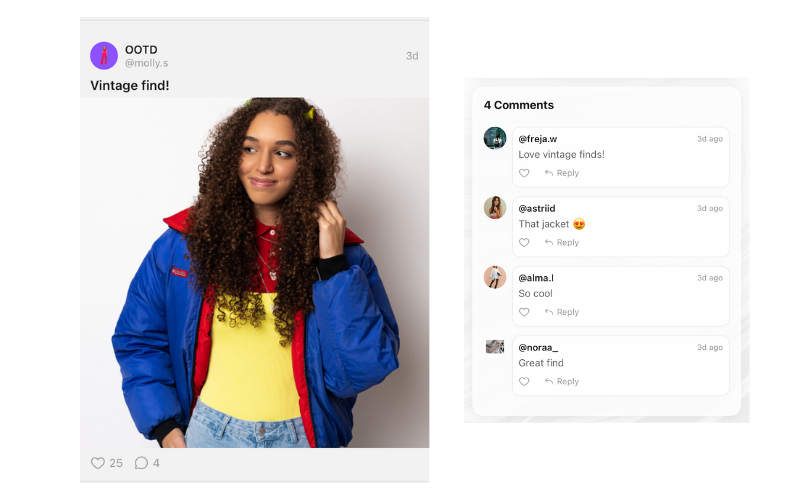
Share your style, get feedback, and connect with people who actually get fashion.
Join Wontsy FreeFrequently Asked Questions
What is Gen Z wearing in 2026?
In 2026, Gen Z is embracing maximalism over quiet luxury, slouchy silhouettes over structure, vintage sportswear, Y2K aesthetics, and thrifted "uniform dressing." Rather than following one aesthetic, they mix personal references depending on mood, context, or community.
Why is Gen Z obsessed with thrifting?
Gen Z thrifts primarily for uniqueness (avoiding algorithmic mass production), value for money, and quality. Sustainability is a factor but not the primary driver. They spend 40% more on eco-friendly clothing than other generations, and the secondhand market is expected to hit $51 billion by 2026.
What is the Gen Z aesthetic called?
Gen Z doesn't follow one aesthetic—they embrace multiple "cores" including Y2K, Dark Academia, Cottagecore, Grungecore, and Techwear. The trend is fluid self-expression, mixing references based on mood, context, or community rather than committing to one fixed style.
What is Y2K fashion?
Y2K fashion refers to early 2000s aesthetics—low-rise jeans, butterfly clips, rhinestones, velour tracksuits, bedazzled accessories, and logos. TikTok's #Y2KGenZ hashtag hit 2.3 billion views in 2026, proving this nostalgic style is being reborn through Gen Z's lens.