 y
y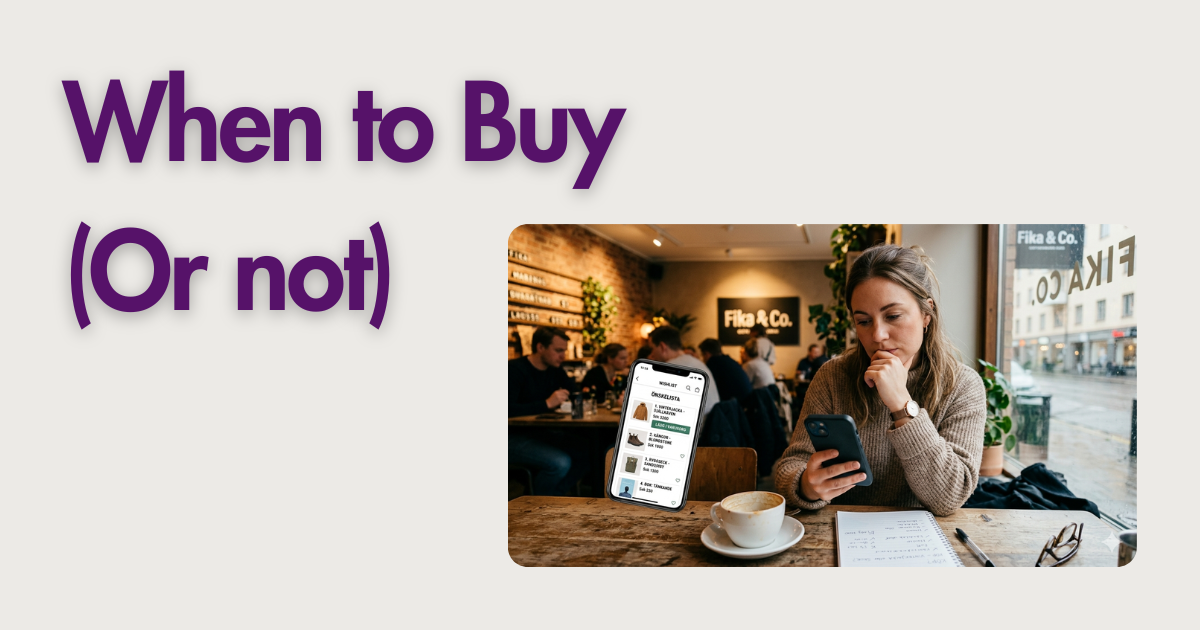
Before buying anything, use the 48-hour rule: wait 48 hours before purchasing. Studies show 60-70% of impulse wants simply fade. If you still want it after waiting, ask yourself the 7 questions below—or ask a community of real people what they think.
- Rule 1: Wait 48-72 hours
- Rule 2: Check if you own similar
- Rule 3: Ignore the sale price
You've found the perfect piece. Your finger hovers over "Add to Cart." But something makes you pause—should I actually buy this? You're not alone. Impulse buying costs the average person thousands per year, and the regret that follows can be worse than never buying at all.
In this guide, you'll learn practical strategies to make better shopping decisions, including the famous 48-hour rule and seven questions that reveal whether a purchase is truly worth it.
What Is the 48-Hour Rule?
The 48-hour rule is elegantly simple: when you want to buy something that isn't a necessity, wait 48 hours before purchasing. No spreadsheets, no complicated systems. You see the item, save it somewhere (a wishlist, a note, your shopping cart), and come back to it two days later.
What happens during those 48 hours is almost magical. According to shopping behavior research, 60-70% of impulse wants fade after waiting. The desire had a lifespan of about four hours, and you simply outlasted it.
Why It Works
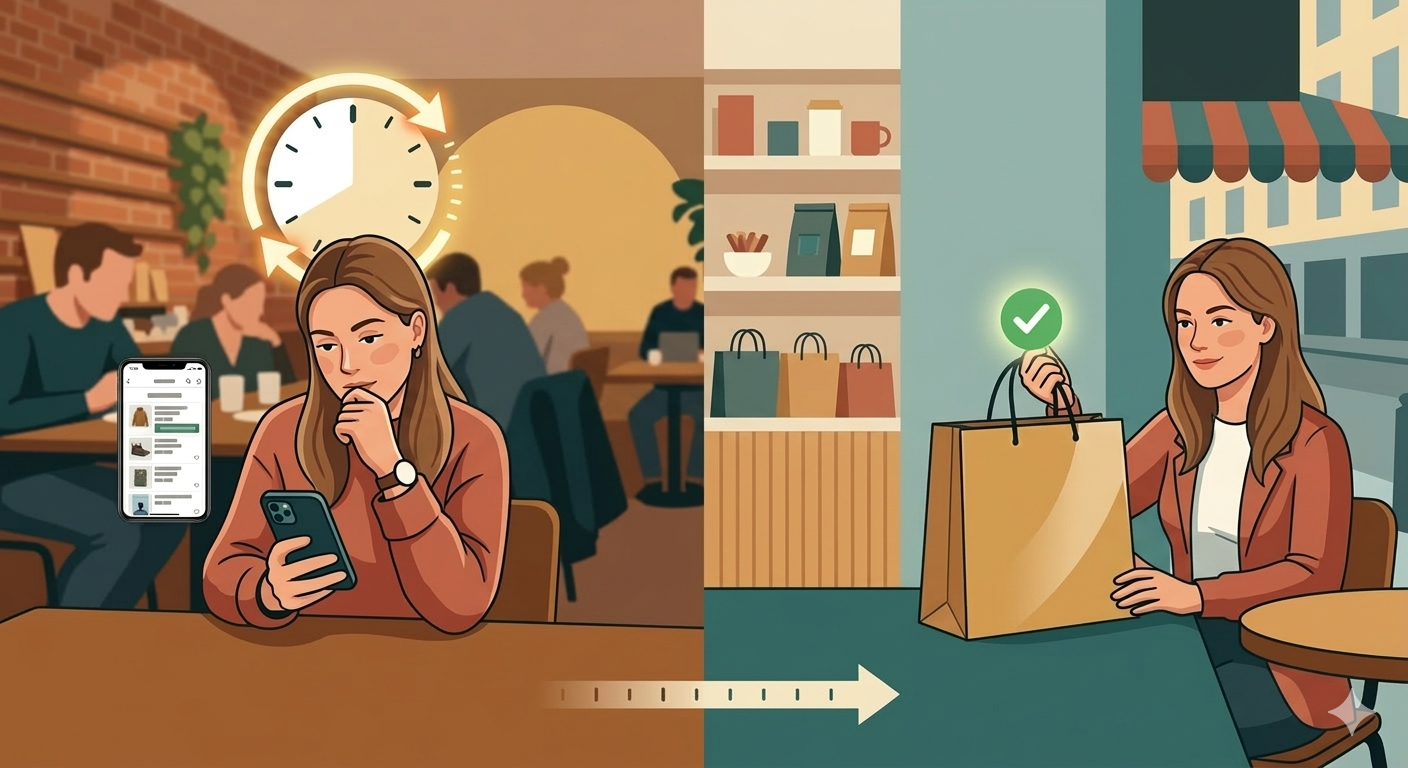
"We often make impulsive purchases when our central nervous systems aren't regulated," explains finance psychology expert Jen Lawrence. "Waiting 48 hours gives you the space to see if you're buying something because you truly want it—or because you're hungry, angry, lonely, or tired."
Pro tip: For bigger purchases, extend the rule. Try 72 hours for items over $100, and a full week for anything over $500.
7 Questions to Ask Before Buying
After your waiting period ends and you still want the item, run it through these seven questions. If an item passes all of them, it's likely a purchase you won't regret.
-
Do I need this, or do I want this?
Be honest. Needs are things required for daily life—wants are everything else. Both are valid reasons to buy, but knowing which category you're in helps set expectations.
-
Do I already own something similar?
Before buying, check what you already have. Sometimes we forget about items we own that serve the same purpose. That "perfect black top" might be the fifth one in your closet.
-
Would I buy this at full price?
Sales create urgency that clouds judgment. If you wouldn't pay full price for something, a 30% discount doesn't magically make it valuable to you. A bargain is only a good deal if you needed the item in the first place.
-
What will I wear/use this with?
Can you name at least three outfits or use cases? If an item doesn't fit into your existing wardrobe or lifestyle, it will likely sit unused. Orphan pieces are the most regretted purchases.
-
Am I shopping to change my mood?
Emotional shopping rarely has positive outcomes. If you're stressed, bored, or unhappy, buying something provides a temporary high that fades quickly—often replaced by guilt.
-
What's the true cost?
Beyond the price tag, consider: Will this need dry cleaning? Special storage? Will it lead to more purchases (the Diderot Effect)? Factor in the time and energy to maintain, clean, repair, and eventually dispose of the item.
-
Where will I put this?
Every item needs a home. If you can't immediately picture where this item will live, you might not have room for it—physically or in your life.
The Trap of Emotional Shopping

Many times, buying something is a default response to stress, anger, or boredom. Retail therapy is real—but so is retail regret. Before you click "buy," do a quick emotional check-in:
- HALT check: Am I Hungry, Angry, Lonely, or Tired? These states impair decision-making.
- Mood shopping: Am I trying to make myself feel better? The boost is temporary.
- Celebration trap: "I deserve this" can be valid, but make sure you're celebrating intentionally, not impulsively.
While impulse shopping can be fun in the moment, it can also cause feelings of guilt and regret, not to mention financial stress. The goal isn't to never buy anything—it's to buy intentionally.
When You're Still Not Sure: Ask Real People
Sometimes the 48-hour rule isn't enough. You've waited, you've asked yourself all the questions, and you're still stuck. That's when outside opinions help.
Why Community Advice Works
- No agenda: Unlike sales associates, real people don't earn commission on your purchase.
- Fresh perspective: Others see things you miss—"that color washes you out" or "you already have three similar tops."
- Validation or reality check: Sometimes you need someone to say "yes, buy it!" or "girl, no."
- Style ideas: Others might suggest how to wear it in ways you hadn't considered.

Wontsy
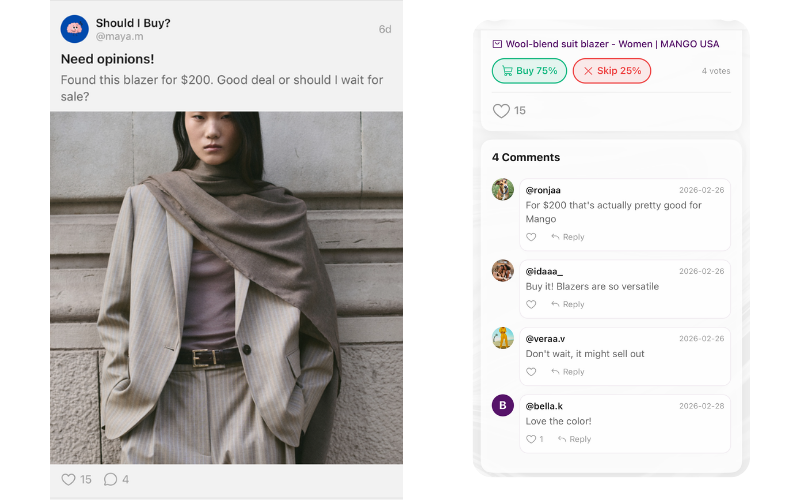
Full disclosure: this is us. Wontsy has a built-in "Should I Buy?" community where you can post items you're considering and get honest feedback from real people. No influencers, no sponsors—just genuine opinions from people who love fashion.
Fashion-Specific Buying Tips
Fashion purchases have unique considerations. Clothes are personal, emotional, and tied to identity. Here are extra questions for fashion shopping:
Before Buying Clothing
- Does it fit your actual life? That stunning cocktail dress means nothing if you attend one event per year.
- Can you style it three ways? Versatile pieces earn their space in your closet.
- Does it work with what you own? Can you picture it with at least three things already in your closet?
- What's the cost-per-wear? A $200 jacket worn 100 times costs $2 per wear. A $50 top worn twice costs $25 per wear.
The "Should I Buy" Community
When you're truly stuck, asking for outside opinions can help. Fashion communities let you get feedback from real people who don't have a stake in whether you buy or not—unlike sales associates.
Still not sure? Ask the community. Get real opinions from real people.
Join Wontsy FreeFrequently Asked Questions
What is the 48-hour rule for shopping?
The 48-hour rule means waiting 48 hours before making any non-essential purchase. Save the item to a wishlist or note, and revisit it after two days. Studies show 60-70% of impulse items are never purchased after the waiting period—the desire simply fades.
What is the 72-hour rule for purchases?
The 72-hour rule is an extended version of the 48-hour rule. For all non-essential purchases, you wait 72 hours (3 days) before buying. This extra time helps shift your decision-making from the emotional part of your brain to the logical side, reducing impulse purchases.
How do I stop impulse buying clothes?
Save items to a wishlist instead of buying immediately, wait 48-72 hours before purchasing, ask yourself if you already own something similar, consider what you'll wear it with, and check if it fits your actual lifestyle. Using a fashion wishlist app with outfit planning features makes this process easier.
What is the best waiting period before buying?
For most purchases, 24-48 hours is sufficient. For bigger purchases over $100, extend to 72 hours. For major purchases over $500, wait a full week. Some experts suggest a 30-day rule for anything truly expensive. The key is creating enough space to think rationally.