 y
y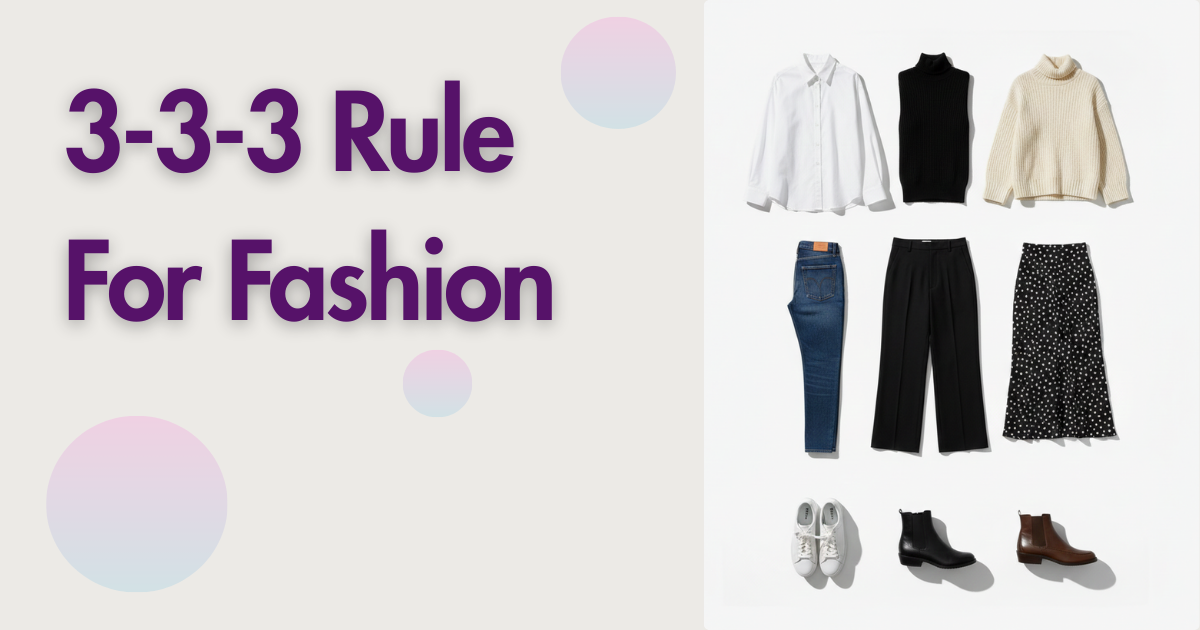
The 3-3-3 rule is a capsule wardrobe formula: choose 3 tops, 3 bottoms, and 3 layers that mix and match to create up to 27 different outfits. The magic isn't in the number—it's in choosing pieces that work together in harmony.
- 3 tops
- 3 bottoms
- 3 layers = 27 outfits
"I have nothing to wear" is often a symptom of having too much, not too little. When your closet is stuffed but nothing goes together, getting dressed becomes a daily frustration. Fashion formulas like the 3-3-3 rule solve this by creating intentional, mix-and-match wardrobes.
In this guide, you'll learn the most popular fashion formulas—3-3-3, the Ralph Lauren 3-piece rule, 70/30, and more—and how to apply them to build a wardrobe where everything works together.
What Is the 3-3-3 Rule?
The 3-3-3 rule is a simple wardrobe formula: choose 3 tops, 3 bottoms, and 3 layers (or shoes, depending on the interpretation) that can be mixed and matched to create multiple outfits.
The math: 3 × 3 × 3 = 27 possible combinations. From just 9 carefully chosen pieces, you can dress for nearly a month without repeating an outfit.
Why It Works
The 3-3-3 rule stems from the minimalist dressing movement and capsule wardrobe principles. Its purpose is to reduce decision fatigue while maximizing the potential of your clothes.
Fashion psychologists say people who follow simple wardrobe systems often feel more confident. They don't worry about their looks every day because they already know everything in their closet fits well and feels good.
The secret: Most people think the 3-3-3 rule is about quantity, but it's actually about strategy. The magic isn't in the number 9—it's in the harmony between the pieces.
How to Build Your 3-3-3 Capsule
Success with the 3-3-3 rule depends on choosing pieces that share a cohesive color palette, similar levels of formality, and compatible silhouettes.
-
Start with your color palette
Choose 2-3 neutral base colors (black, navy, white, cream, grey) plus 1-2 accent colors. Every piece should work with at least two others.
-
Pick your 3 bottoms first
Bottoms anchor your wardrobe. Try: one pair of tailored trousers, one pair of jeans, and one skirt or alternative bottom. All should share at least one color from your palette.
-
Choose 3 versatile tops
Mix textures and necklines, but keep within your palette. Example: a white button-down, a neutral knit, and a patterned blouse that incorporates your accent color.
-
Add 3 layers
Layers transform outfits and handle temperature changes. Consider: a structured blazer, a cardigan, and a casual jacket. Each should work over all your tops.
-
Test the combinations
Before committing, mix and match to ensure every combination actually works. If a piece only pairs with one other item, swap it out.
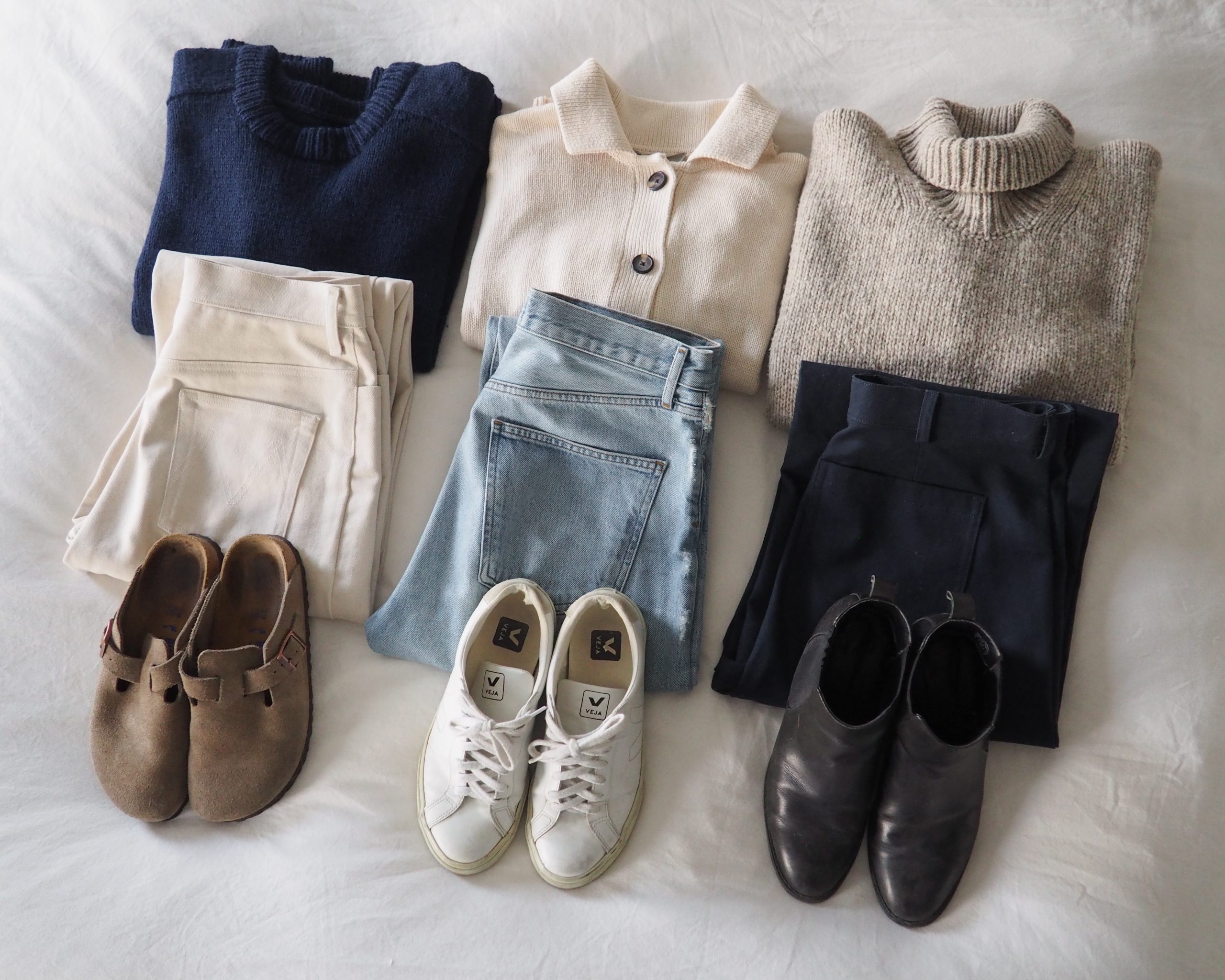
Sample 3-3-3 Wardrobe
| Tops | Bottoms | Layers |
|---|---|---|
| White button-down shirt | Black tailored trousers | Navy blazer |
| Cream cashmere knit | Dark wash straight jeans | Camel cardigan |
| Navy striped blouse | Camel midi skirt | Black leather jacket |
The Ralph Lauren 3-Piece Rule
This is different from the 3-3-3 rule, though often confused with it. The Ralph Lauren 3-piece rule is about outfit construction, not wardrobe building.
The Rule Styling
Every outfit needs at least 3 key elements: a base, a layer, and an intentional accessory. This takes an outfit from "dressed" to "styled."
According to a former Ralph Lauren employee: "We weren't allowed to show up to work without three pieces on." Instead of just pants and a top, employees always added a third element—a blazer, belt, or sweater.
How to Apply It
- Base: Your foundational pieces (top + bottom, or a dress)
- Layer: A blazer, cardigan, jacket, or vest
- Accessory: A belt, scarf, hat, statement jewelry, or interesting shoe
Examples:
- T-shirt + jeans + blazer thrown over
- Dress + denim jacket + statement earrings
- Sweater + trousers + interesting belt
Why it works: The third piece creates visual interest and intention. It signals "I thought about this" rather than "I just threw this on."
The 70/30 Wardrobe Rule
The 70/30 rule is about wardrobe composition: 70% timeless basics, 30% personality-packed extras.
The Rule Wardrobe
Michael Kors explained it as: "70% meat and potatoes (basics), 30% dessert (full-on sparkle and shine, indulgent glamour)."
The 70% (Basics)
These are your workhorses—pieces you reach for constantly:
- Well-fitting jeans in a classic wash
- White and black t-shirts
- Tailored blazers in neutral colors
- Simple knits and button-downs
- Classic trousers
The 30% (Personality)
These are your statement pieces—the items that make your style yours:
- Bold prints and patterns
- Statement accessories
- Trendy pieces you love right now
- Color pops and metallics
- That one piece that always gets compliments
How to apply it: Stand in front of your closet and pick ten pieces you wear most. That's your baseline 70%. Notice the patterns—are they neutral, structured, soft, or bold? Use that insight when shopping. Allow yourself to sprinkle in trendier finds for the 30%.
All Fashion Formulas Compared
Here's how the most popular fashion formulas stack up:
| Formula | What It Is | Best For |
|---|---|---|
| 3-3-3 Rule | 3 tops, 3 bottoms, 3 layers = 27 outfits | Travel, busy weeks, capsule beginners |
| Project 333 | 33 items for 3 months | Full capsule wardrobe commitment |
| Ralph Lauren 3-Piece | Every outfit needs 3 elements | Daily outfit styling |
| 70/30 Rule | 70% basics, 30% statement pieces | Wardrobe building & shopping |
| 5-4-3-2-1 | 5 tops, 4 bottoms, 3 layers, 2 shoes, 1 dress | Travel packing |
Which Rule Should You Use?
- For travel or busy weeks: Start with 3-3-3 or 5-4-3-2-1
- For daily styling: Apply the Ralph Lauren 3-piece rule
- For wardrobe building: Use the 70/30 rule when shopping
- For a complete reset: Try Project 333 for 3 months
The best approach? Use multiple rules together. Build your core wardrobe using 70/30, create travel capsules with 3-3-3, and style daily outfits with the 3-piece rule.
Need Help Choosing Pieces?
Building a capsule wardrobe can feel overwhelming. What if you pick the wrong pieces? That's where a community helps—post what you're considering, ask "does this work?" and get real feedback from people who've done it.
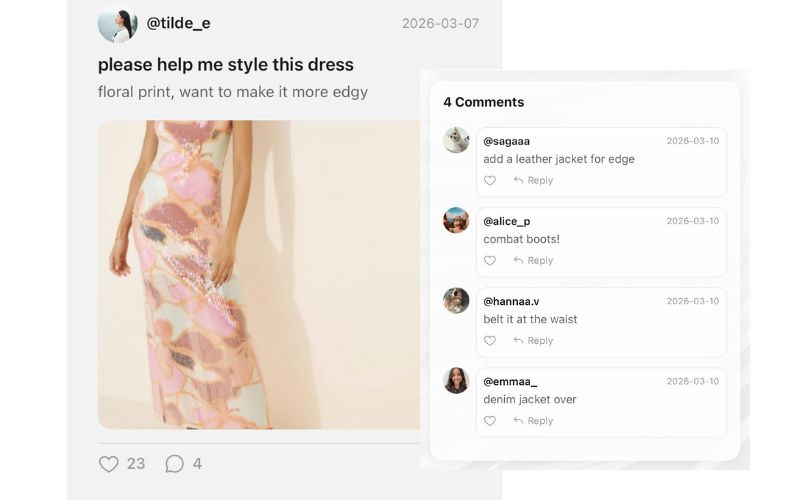
Need help building your capsule? Get advice from a community that loves fashion as much as you do.
Join Wontsy FreeFrequently Asked Questions
What is the 3-3-3 rule in fashion?
The 3-3-3 rule is a wardrobe formula where you choose 3 tops, 3 bottoms, and 3 layers (or shoes) that mix and match to create up to 27 different outfits. It's a beginner-friendly way to build a capsule wardrobe without overthinking, often used for travel or busy-week planning.
What is the Ralph Lauren 3-piece rule?
The Ralph Lauren 3-piece rule states that every outfit needs at least 3 elements: a base, a layer, and an intentional accessory. Former employees weren't allowed to show up without three pieces on. Instead of just pants and a top, you add a blazer, belt, or sweater to make the outfit feel "styled, not just worn."
What is the 70/30 wardrobe rule?
The 70/30 rule means 70% of your wardrobe should be timeless basics (what Michael Kors calls "meat and potatoes"), while 30% can be personality-packed extras and trends ("dessert"). This balance keeps your wardrobe functional while allowing personal expression and trend experimentation.
What is Project 333?
Project 333 is a minimalist fashion challenge where you choose 33 items (including clothing, accessories, and shoes) to wear for 3 months. It was created by Courtney Carver in 2010 and has become a popular way to reset your relationship with your wardrobe and discover what you actually love to wear.