 y
y
"Dressing your age" is outdated. In 2026, the rule is dressing for the life you're living—with confidence, intention, and pieces that actually fit. Clothes have sizes, not ages. Focus on quality, fit, and staying relatively current rather than following arbitrary rules.
Every decade brings new confidence—and new questions about what you "should" wear. The internet is full of lists telling women over 40, 50, or 60 what they can't wear. Most of it is outdated nonsense.
The truth? Societal norms are shedding left, right, and center. Never before has it been cooler to age while staying true to yourself. This guide focuses on what actually helps you look and feel great—at any age.
Style Myths to Ignore
Before we get into what works, let's clear out the clutter. These "rules" need to go:
❌ MYTH: "You can't wear short skirts after 40"
If your legs are one of your best features, show them. The key is proportion and context, not age.
❌ MYTH: "You can't wear trends after 50"
Staying current actually makes you look younger. The trick is selecting trends that suit you, not chasing all of them.
❌ MYTH: "You should only wear neutrals after 60"
Color near your face actually brightens your complexion. All-black can be more aging than a vibrant coral top.
✓ TRUTH: There's no "age-appropriate" rulebook
What matters is fit, quality, and wearing clothes that make you feel confident. Everything else is optional.
The real mistake: Trying to dress younger than you are paradoxically makes you look older. Confidence in who you are now is the most attractive thing you can wear.
Style in Your 40s
Your 40s are often when you finally know what works. You've had time to experiment and (hopefully) made peace with your body. This is the decade to refine rather than reinvent.
What Works Now
- Structured knitwear: 2026 is about softer pieces with structure. Look for medium-weight, stretchy knits that keep their shape—more refined than hoodies, more comfortable than blazers.
- Quality over quantity: Fewer, better pieces. Your closet should be full of things that all work together.
- The "third piece" rule: Every outfit benefits from a blazer, cardigan, or statement accessory.
- Texture play: Ribbing, pleats, leather, lace, satin finishes—let different textures add visual interest while keeping colors simple.
What to Reconsider
- Clothes you're keeping for "someday" (if it doesn't fit now, it's taking up space)
- Pieces that require constant adjusting or tugging
- Anything that makes you feel self-conscious rather than confident
Style in Your 50s
Your 50s often bring major life shifts—kids leaving home, career changes, or simply a new sense of freedom. Your wardrobe should reflect where you're going, not where you've been.
What Works Now
- Statement outerwear: Go bold with coats—jewel tones, sherpa textures, quilted details, or brushed wool that adds luxury.
- The right foundations: A properly fitted bra can make you appear taller and more confident. Get fitted professionally.
- Metallics as neutrals: Metallic shoes and accessories are being worn as neutrals in 2026. A silver or gold handbag adds instant intention.
- Bold accessories: This is the decade of extra personality—oversized scarves, statement sunglasses, wide belts, chunky bangles.
What to Reconsider
- Being too "matchy-matchy" (modern style is about intentional mixing, not perfect matching)
- Ill-fitting clothes in any direction—too tight restricts movement, too baggy adds bulk
- Outdated pieces you're keeping for nostalgia (shoulder pads had their moment)
Style in Your 60s
By 60, you've earned the right to wear exactly what you want. The goal isn't looking younger—it's looking like the best version of yourself right now.
What Works Now
- Embracing color: Women think black is slimming, but color gives you a youthful vibe. Especially near your face—coral, turquoise, and soft whites brighten your complexion.
- Quality fabrics: Natural fibers and well-made pieces look better and last longer. This is when investing in fewer, better items really pays off.
- Staying current (selectively): Women over 60 who stay somewhat current communicate that their minds and interests are also up to date. Pick one or two current trends that resonate.
- Comfort with style: Your clothes should work for your actual life—traveling, volunteering, grandchildren, or whatever fills your days.
What to Reconsider
- The "fleece for everything" trap—save it for gardening, not lunch with friends
- Clothes that need special handling you won't actually do
- Anything you're wearing because you "should" rather than because you love it
What Actually Matters at Every Age
Across all decades, certain principles consistently create stylish, confident looks:
1. Fit Is Everything
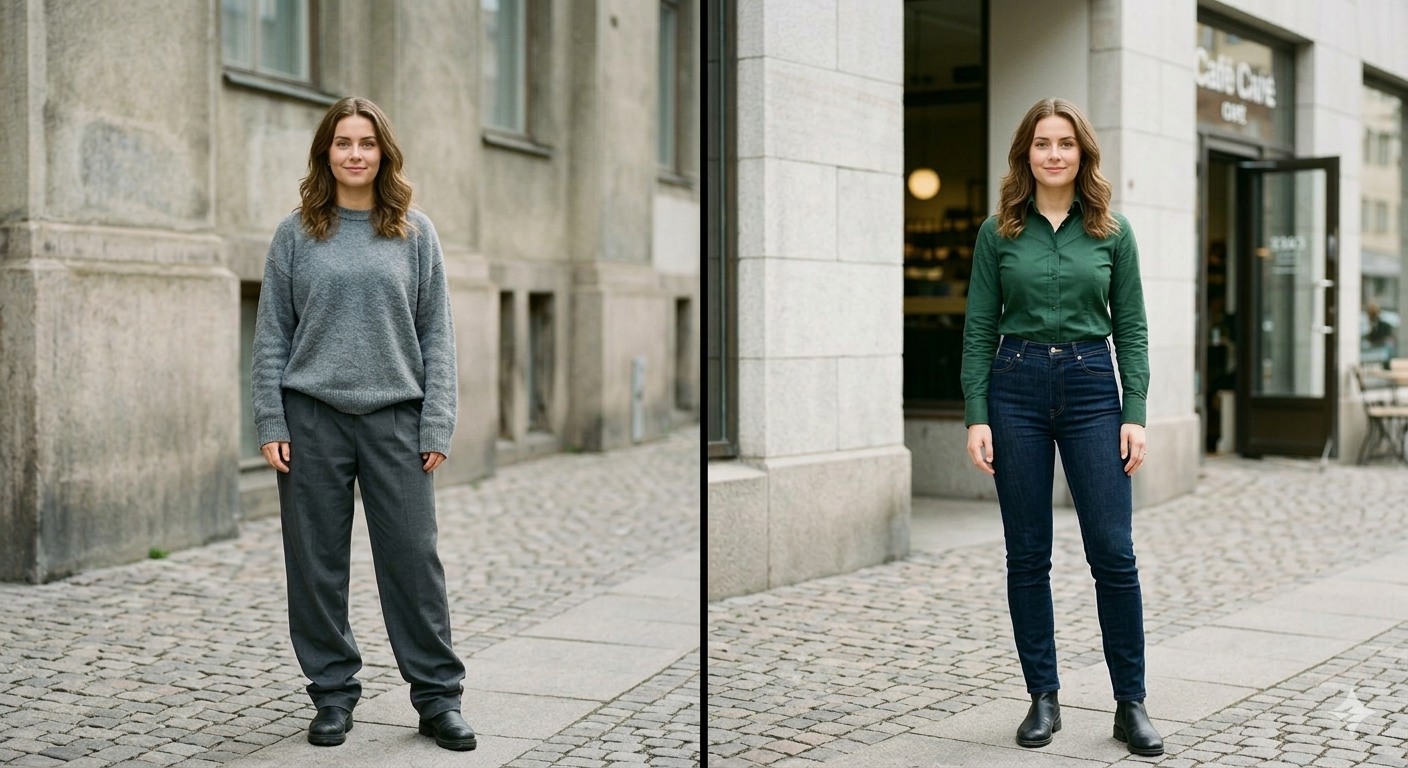
Forget the number on the label. Some women have pieces ranging from size 8 to 16 that all fit beautifully. Clothing that fits properly makes all the difference—it's more flattering than any trend or brand.
2. Quality Over Quantity
Choosing quality is less about budget and more about being content with fewer, better items. You can find high-quality pieces at a wide range of prices when you know what to look for: good construction, natural fabrics, pieces that hold their shape.
3. Dress for Your Actual Life
Start with how you spend your time. Retired and traveling? Still working? Volunteering? Your daily activities should guide your wardrobe. You want clothes that are both flattering and practical.
4. One Statement, Keep the Rest Simple
Whether it's a bold jacket, statement earrings, or an interesting shoe, one focal point is enough. Everything else can be classic and understated.
5. Confidence Is the Ultimate Accessory
No amount of designer labels can replicate the effect of wearing something you genuinely love. When you feel good in your clothes, it shows. That confidence transforms every outfit.
| Focus On | Stop Worrying About |
|---|---|
| Fit and proportion | Size numbers on labels |
| Quality fabrics and construction | Brand names |
| Staying relatively current | Following every trend |
| Colors that brighten your face | "Age-appropriate" color rules |
| Clothes that suit your lifestyle | "What you should wear at X age" |
Get Advice From Women Who Understand
The best style advice often comes from women who've been there. Not influencers selling products, but real women navigating the same questions you are. In the Wontsy community, you can ask "does this work?" and get honest, supportive feedback.
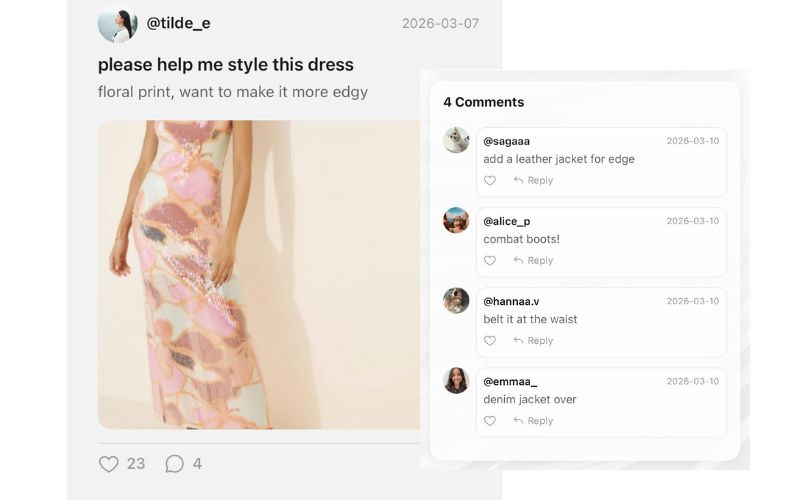
Looking for style advice? Join a supportive community of women who get it.
Join Wontsy FreeFrequently Asked Questions
What should a 45-year-old woman wear?
At 45, focus on quality pieces that fit well and make you feel confident. Build around timeless basics (well-cut blazers, quality denim, classic knits) and add current trends selectively. The key is fit over labels—clothes that actually suit your body and lifestyle. By your 40s, you should have a closet full of pieces that all work together.
What should you not wear after 60?
There are no hard rules about what you "can't" wear after 60. However, clothes that don't fit properly, outdated pieces you're keeping for nostalgia (hello, shoulder pads), and excessive head-to-toe matching can make anyone look less current. Focus on quality, fit, and staying relatively modern rather than following arbitrary age-based restrictions.
How can I look stylish in my 50s?
In your 50s, prioritize quality over quantity, ensure proper fit (especially foundation garments), stay current with a few key trends without chasing all of them, and embrace color near your face. Accessories become increasingly important—a statement bag, scarf, or earrings can elevate simple basics.
Do clothes have an age limit?
No. Clothes have sizes, not ages. The key is wearing clothes in which you feel confident and comfortable—that's where being stylish starts. What works depends on your body, lifestyle, and personal taste, not your birth certificate.